One of the most important goals for hotels today is to drive direct bookings: those made on the hotel’s own website or via direct channels, rather than through third‐party intermediaries.
Yet many hotels find themselves locked in a tough dynamic: only about 38% of reservations come through direct channels, leaving roughly 60% flowing through intermediaries. At the same time, those bookings carry higher costs: hotels typically pay between 15% and 30% in commission to online travel agencies (OTAs), compared to roughly 4-5 % in distribution cost when guests book directly. Reclaiming share of direct bookings isn’t simply a nice‐to‐have; it’s a fundamental requirement to improve margins, brand control, guest loyalty and long-term customer relationships.
At first glance, it may seem like channel mix is mostly out of a hotel’s control. Guests ease into booking journeys on OTAs, search engines and metasearch platforms. But hotels do have agency: there are strategic levers they can pull - from understanding and activating guest data to designing offers and experiences that nudge potential guests toward booking directly.
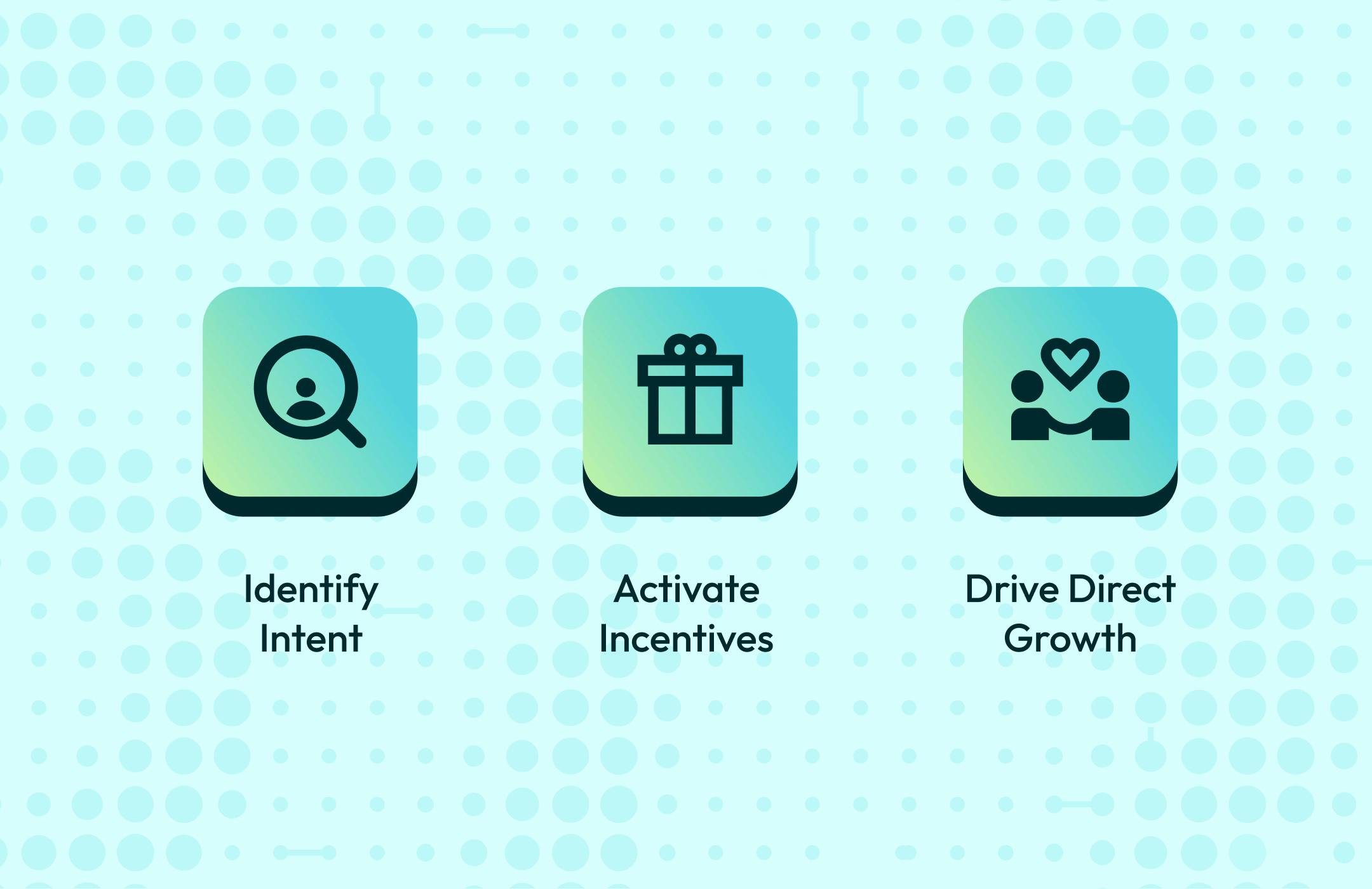
Increasing direct bookings is part art, part science. Here’s how hotels can leverage customer data to drive direct bookings - not by abandoning OTAs altogether, but by reshaping how they compete for guests, how they engage them early in the funnel, and how they develop a long-term relationship.
Art: Providing the right incentives
The first question is deceptively simple: Why should a guest book directly with you?
OTAs have trained travelers to believe they’ll find the best deals through intermediaries. To shift that mindset, hotels must create tangible reasons to book directly - reasons that align with what different guests value most. For some, that may mean an exclusive discount on their usual room type, and for others, it may mean a complimentary upgrade, added flexibility, or double loyalty points that can’t be earned anywhere else.
The right incentive varies by guest, so customer data is key. A unified guest profile can reveal who’s price-sensitive, who’s loyal, and who tends to stay at higher-end properties within the same brand family. Armed with these insights, hotels can tailor offerings that are personalized and persuasive rather than generic.
For instance, a frequent traveler who books mid-scale rooms several times a year might respond best to a free breakfast or small upgrade, while an occasional luxury traveler might be swayed by bonus points toward an elite status tier.
Third parties can’t compete on that level of personalization. They don’t own the guest relationship and actual experience - hotels do. The more a brand understands their guests’ behaviors, spend levels, and motivations, the more effectively that brand can design offers that make “book direct” the obvious choice.
Science: Identifying intent
Personalization only works if it reaches the right guest at the right moment. Even the most well-crafted offer falls flat if it’s delivered when someone isn’t planning a trip. Data science plays a crucial role in identifying when intent is rising.
Hotels can use historical booking data to build simple propensity models - identifying patterns that predict when a guest is likely to travel next. But they can also complement those models with real-time digital signals. Is the guest browsing the hotel’s website or app more often than usual? Are they clicking on SMS messages or engaging with emails about upcoming events or destinations? Has their behavior spiked across multiple channels?
On their own, each signal might seem small. But when unified across systems, they paint a clear picture of a guest moving from consideration to action. The more connected the data ecosystem, the easier it becomes to detect those intent cues and deliver the right message at the right time.
Without that visibility - without the ability to recognize a known customer on a website or in marketing channels - brands are left flying blind. With unified customer profiles, brands can anticipate needs and reach guests when they’re most likely to book and prompt them to do so directly.
Merging incentives and intent
The true power of customer data emerges when bringing both pieces together - matching the right offer to the right guest at the right moment.
Say a brand notices a returning guest browsing a property page multiple times this week. Historical data may show that a discount or other offering has previously nudged this guest to book directly. Armed with that insight, the brand can automatically deploy a similar incentive, customized to their preferences and loyalty tier.
If a business operates multiple brands or properties, guest data can also inform where to prioritize. Do they tend to favor lifestyle brands over resort properties? Are they loyal to a specific location? Brand affinities - also “chain dominance” or “brand bias” - can help marketing and revenue teams push the right properties once that guest shows renewed booking intent.
Start by expanding the channels where customer signals are collected, then use those insights to test different offering strategies. Over time, as the data foundation strengthens and models mature, the precision of direct-booking campaigns will grow.
Guest data becomes direct growth
In today’s competitive hotel industry, driving direct bookings isn’t just a simple differentiator - it’s a strategic imperative. By offering meaningful incentives tailored to guest segments, and coupling those offers with real-time intent detection powered by strong customer data, hotels gain stronger margins, deeper guest relationships, and more control of the booking funnel.
At Amperity, we see how customer data - and the identity resolution, cross-channel signal integration, and machine learning models it enables - can unlock an intelligent direct booking strategy. Read our recent Amperity Travel Data Report to learn more about how leading travel and hotel brands are leveraging customer data and AI initiatives to accelerate personalization and revenue growth.